Overview Features How It Works Specs Gallery FAQ Contact
Energy-Autonomous IoT Platform · 2026

Sense More.
Maintain Less.

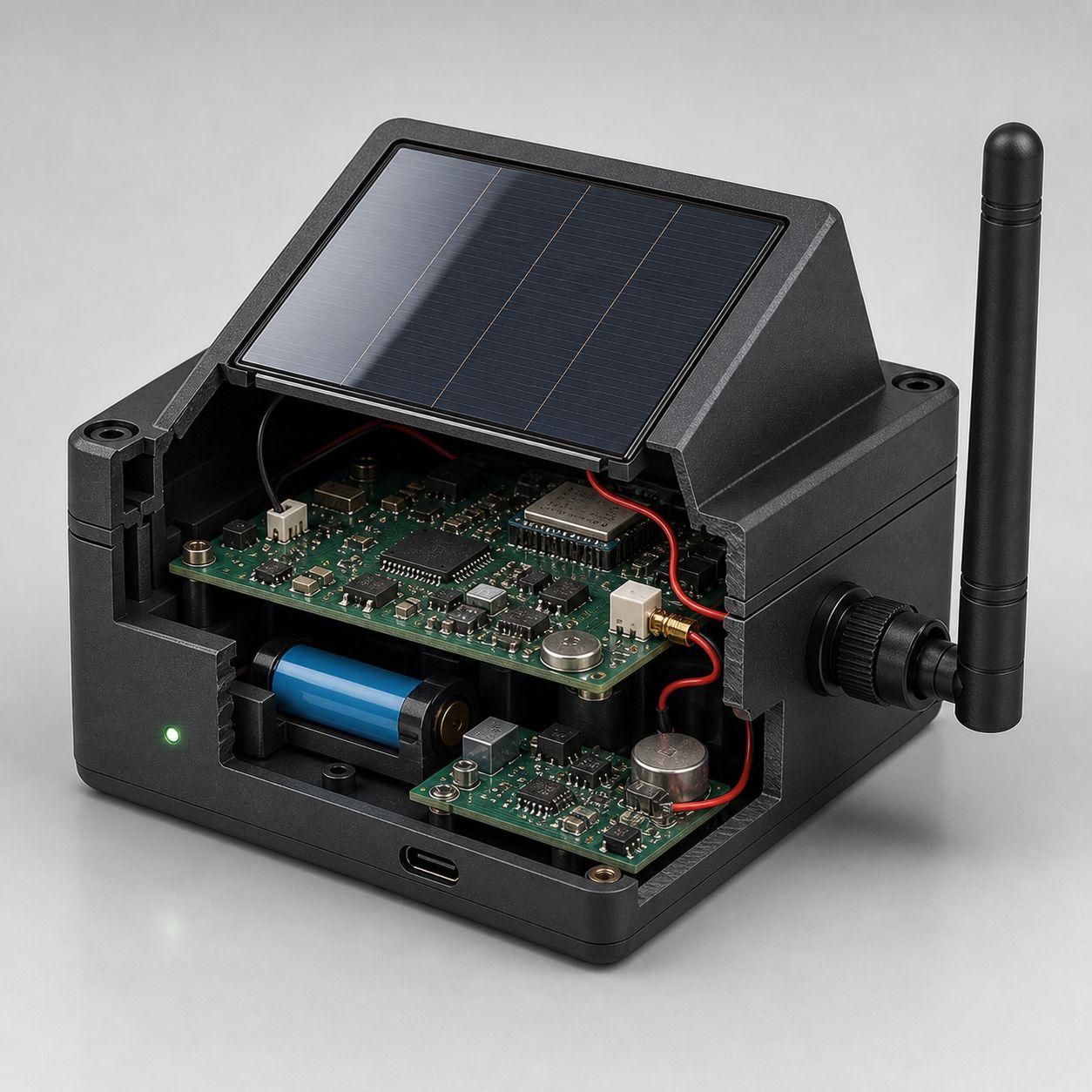
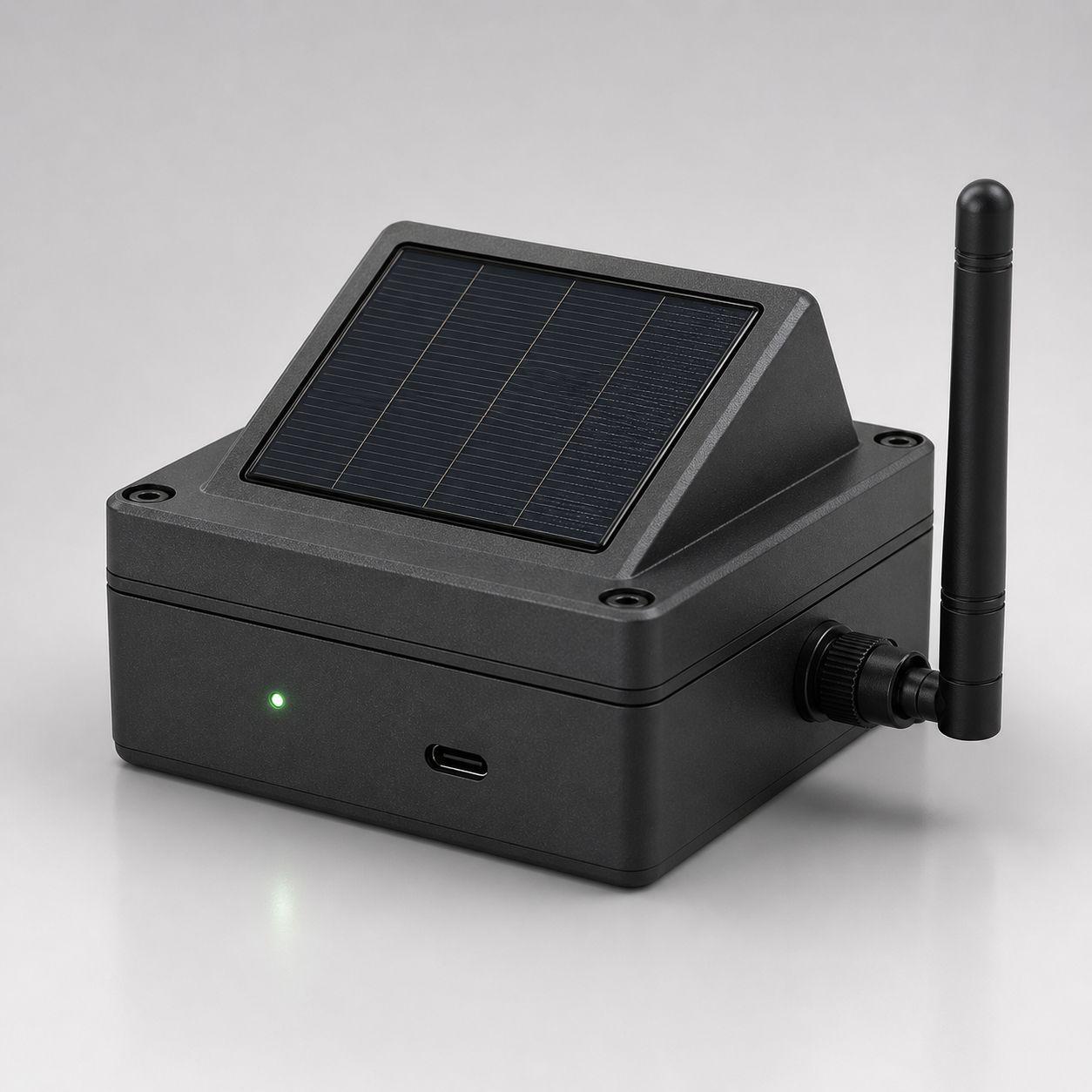
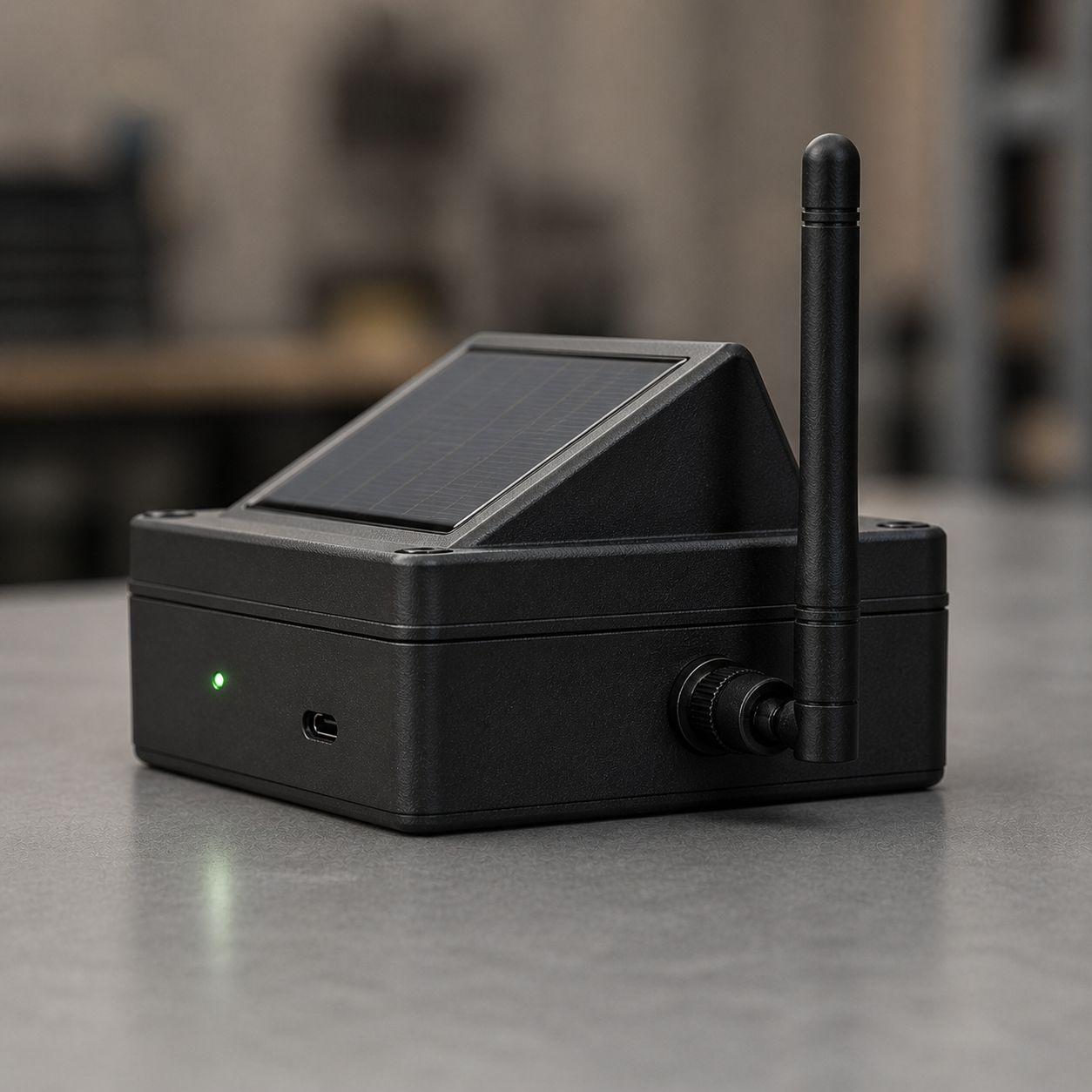
AetherNode harvests energy from sunlight and vibration, stores it in a supercapacitor buffer, and makes intelligent decisions based on available power — running continuously with minimal servicing.

Zero+ Cable Runs
4× Energy States
SIM Native Cellular
STM32L Ultra-Low Power
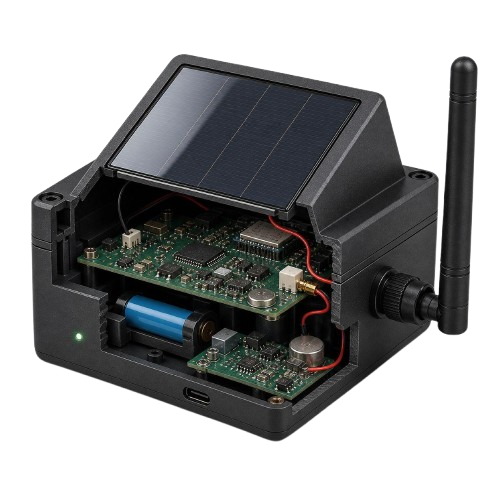
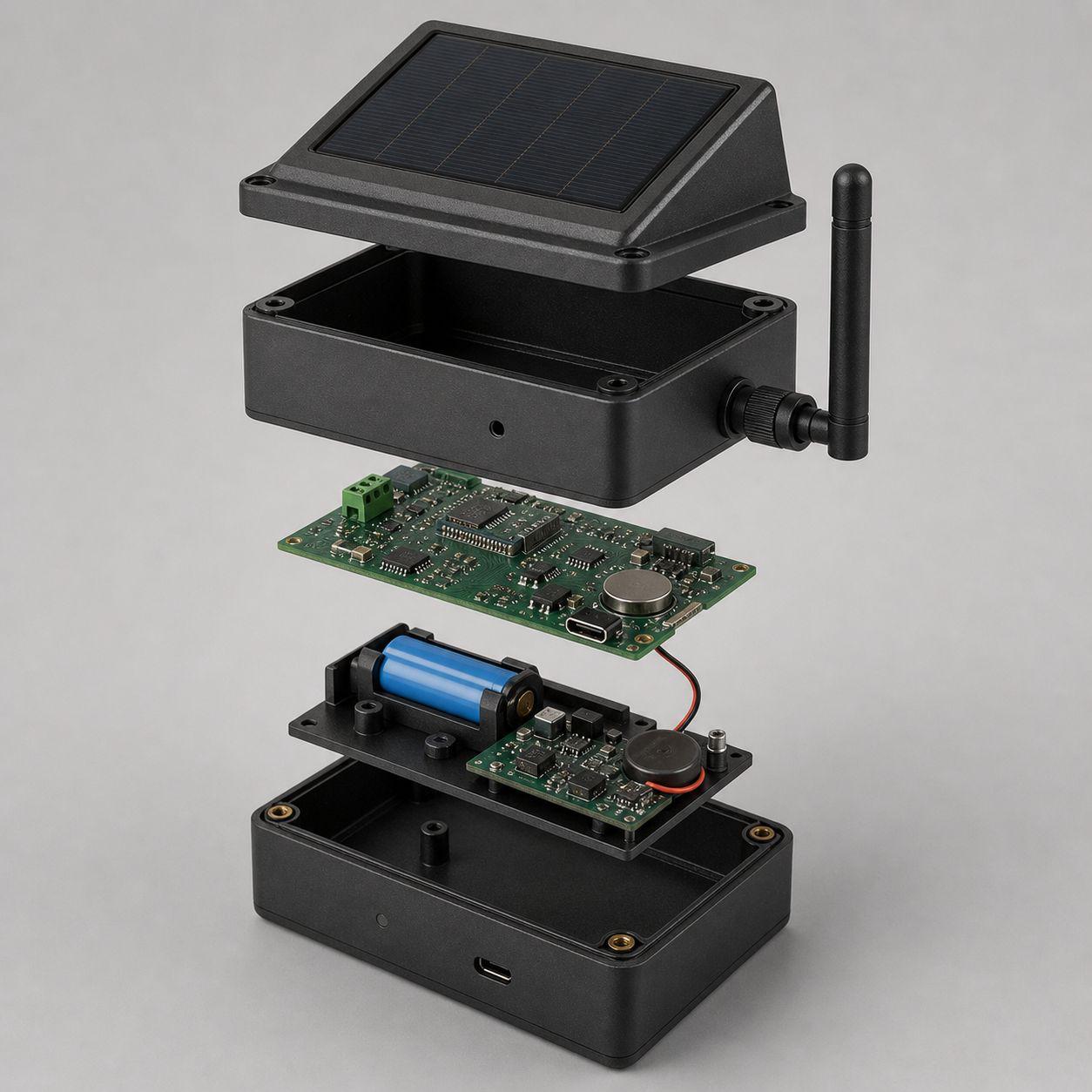
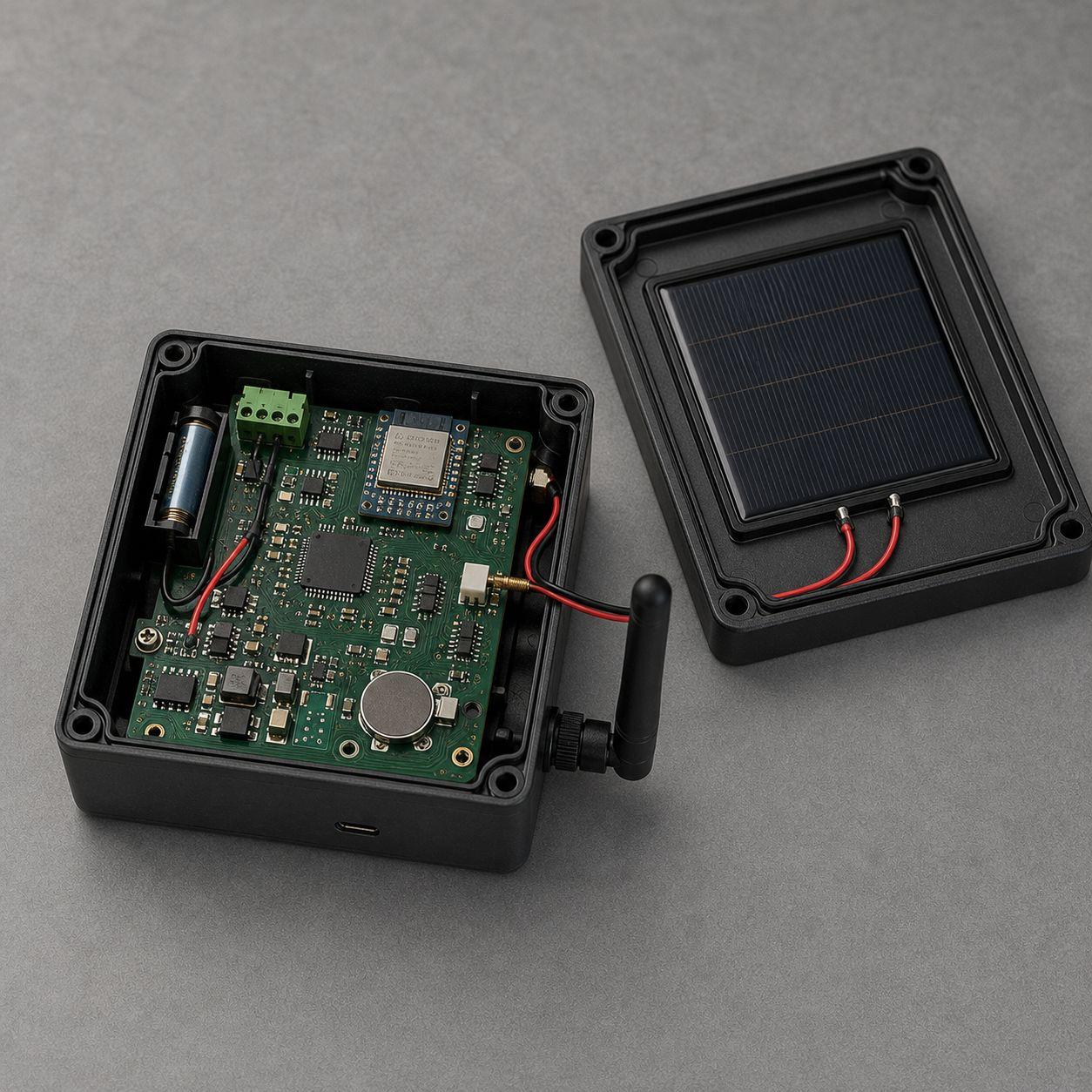
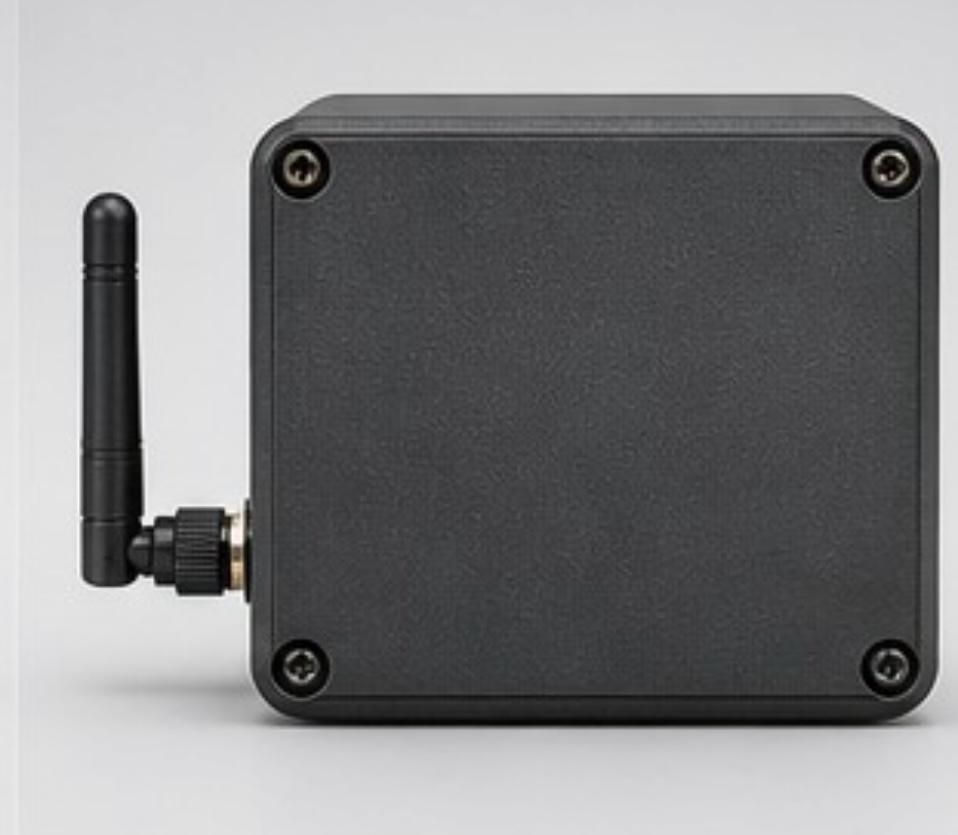
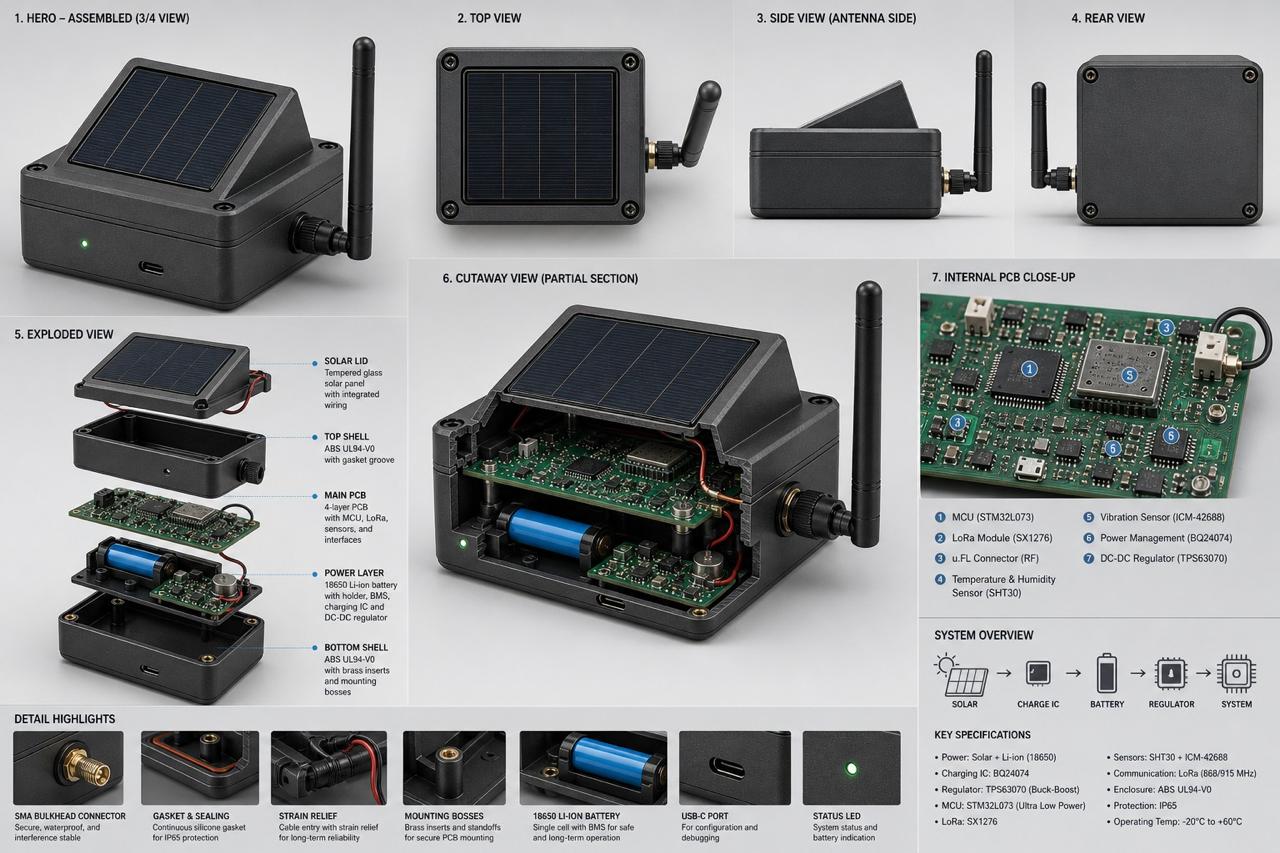
AetherNode Device

A Sensing Node That Thinks in Energy

Traditional IoT devices are slaves to batteries and cables. AetherNode operates on a fundamentally different principle: it harvests ambient energy, stores it intelligently, and decides what to do based on how much it has.

Energy-Autonomous
No scheduled battery replacements. The node powers itself from the environment it monitors.
🧠
State-Aware Logic
Energy State Engine determines operational mode in real time based on capacitor voltage.
📡
SIM Connectivity
Direct cellular data transmission — no gateway dependency, no LoRa limitations.
🏭
Field-Ready
Designed for industrial, agricultural, and remote environments where service is costly.
// System Architecture Overview
Solar Panel
+
Vibration Harvester
Power Conditioning
⚡ Supercapacitor Buffer
STM32 · Energy State Engine
Sensors
SIM Module
Backend

Common Questions

Technical and conceptual questions about AetherNode's design and operation.

AetherNode uses a battery-minimized architecture. The primary energy store is a supercapacitor-based buffer, which replaces the conventional battery as the central energy element. An auxiliary backup may be included in certain configurations, but it plays a secondary role — the node is designed to run on harvested energy, not scheduled battery replacements.
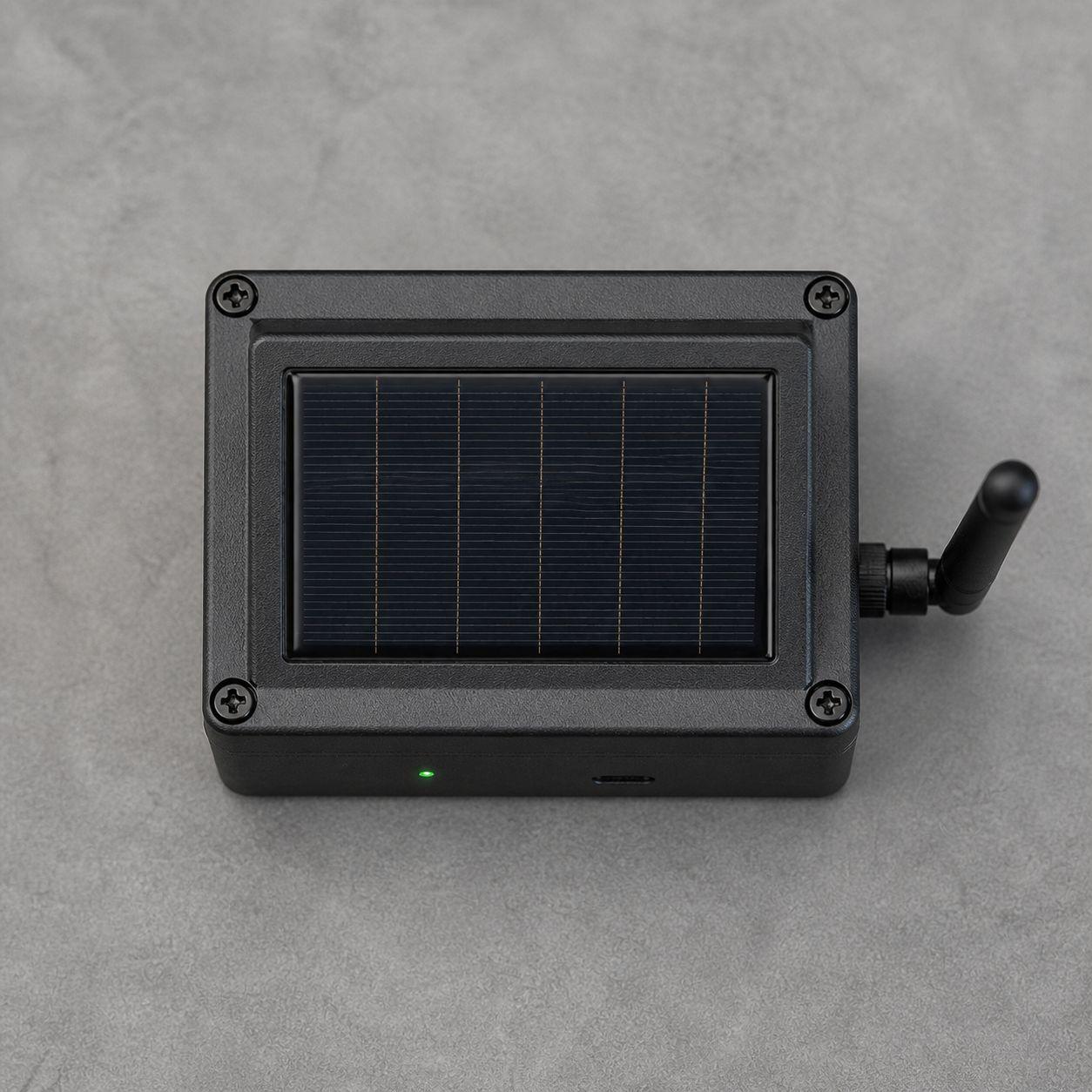
Solar energy is the primary source, captured through a panel integrated into the enclosure. A vibration-based energy harvesting module provides supplemental power — particularly useful in industrial environments with mechanical activity. Both sources feed into a shared power conditioning stage before reaching the supercapacitor buffer.
LoRa requires local gateway infrastructure, which adds cost and a potential single point of failure. A SIM module connects the node directly to the cellular network, enabling data transmission to the cloud backend from any location with mobile coverage — without any on-site gateway hardware. This simplifies deployment significantly and improves geographic flexibility.
The STM32 microcontroller continuously reads the supercapacitor voltage. This voltage level maps to one of four operational states: Harvest (conserve everything), Sense (activate priority sensors), Transmit (send collected data), or Protection (shut down non-critical functions to prevent damage). The transition thresholds are defined in firmware and the system responds in real time — there is no fixed schedule or timer-based activation.
The current platform integrates a temperature and humidity sensor, a vibration sensor, and a light intensity sensor. These cover the primary monitoring use cases. The Adaptive Sensor Priority system determines which sensors activate first depending on available energy — vibration and temperature are typically designated as high-priority for industrial deployments.
When no energy is being harvested, the node draws down its supercapacitor buffer. As voltage falls, the Energy State Engine progressively reduces activity — first suspending transmission, then pausing non-critical sensors, and finally entering Protection mode to prevent undervoltage damage. Data collected before the shutdown remains queued and is transmitted once energy recovers.
The backend monitoring dashboard is accessible via web browser on any device. A dedicated mobile application is under consideration for future development. It would surface node status, energy levels, sensor readings, and alert notifications — the same data visible in the backend, optimized for handheld use.
Get In Touch

Ready to Deploy
AetherNode?

Whether you need technical documentation, a deployment discussion, or a prototype demonstration — reach out and we'll take it from there.

Project Inquiries
Technical questions, demo requests, and deployment discussions welcome
Available for collaboration with industrial teams, research groups, and system integrators
Contact →